Dental emergencies can happen at any time, often without warning. Whether it’s a sudden toothache, a chipped tooth, or an injury caused by an accident, knowing how to respond quickly can make all the difference in protecting your oral health and minimizing discomfort. Acting fast, staying calm, and understanding your options are key steps in handling urgent dental situations effectively.
Recognizing a Dental Emergency
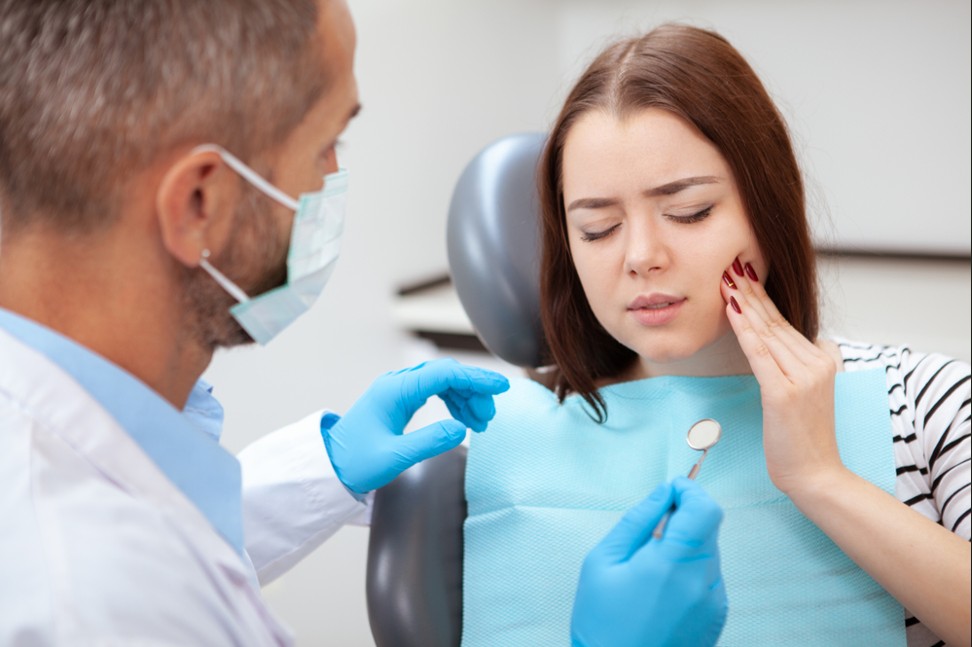
Not every dental issue requires immediate attention, but some symptoms should never be ignored. Severe pain, swelling in the gums or face, bleeding that won’t stop, or a knocked-out tooth are all signs that you need urgent care. Infections, in particular, can escalate quickly and may lead to more serious health concerns if left untreated. If you’re unsure whether your situation is urgent, it’s always safer to seek professional advice rather than delay treatment.
Immediate Steps You Can Take
Before you can see a dentist, there are a few practical steps you can take to manage the situation. If you have a toothache, rinse your mouth with warm saltwater to reduce bacteria and inflammation. Over-the-counter pain relief can help ease discomfort, but avoid placing aspirin directly on the gums, as it can cause irritation.
For a knocked-out tooth, gently rinse it without scrubbing and try to place it back in its socket if possible. If that’s not an option, keep it in a container of milk or saliva until you can reach a dentist. In the case of a broken or chipped tooth, collect any fragments and rinse your mouth carefully. Applying a cold compress to the outside of your cheek can help reduce swelling and pain.
Seeking Professional Help Quickly
Time is critical when dealing with dental emergencies. The sooner you receive treatment, the better your chances of saving a damaged tooth or preventing complications. Many practices prioritize urgent cases and offer same-day care. If you find yourself in need of immediate assistance, arranging emergency dental appointments Bognor Regis can ensure you get prompt, professional attention when it matters most.
Managing Anxiety During Emergencies
Dental emergencies can be stressful, especially if you’re already anxious about visiting the dentist. It’s important to focus on the fact that modern dentistry is designed to be as comfortable and efficient as possible. Communicate openly with your dental team about your concerns so they can provide reassurance and tailor your care to your needs. Breathing techniques and distraction methods can also help reduce anxiety while you wait for treatment.
Preventing Future Dental Emergencies
While not all emergencies can be avoided, many can be prevented with good oral hygiene and regular check-ups. Brushing and flossing daily, wearing a mouthguard during sports, and avoiding hard foods that can crack teeth are all simple yet effective measures. Regular dental visits allow your dentist to identify potential issues early, reducing the likelihood of sudden problems.
It’s also wise to address minor dental concerns before they escalate. A small cavity or mild gum irritation can quickly turn into a painful emergency if left untreated. Staying proactive about your dental health is one of the best ways to avoid unexpected situations.
Being Prepared Makes a Difference
Having a plan in place can make a stressful situation much easier to handle. Keep your dentist’s contact details easily accessible and know where to go if you need out-of-hours care. A basic dental first aid kit at home, including gauze, a small container, and pain relief, can also be helpful in an emergency.
Urgent dental care doesn’t have to feel overwhelming. By recognizing the signs, taking immediate action, and seeking professional help quickly, you can protect your oral health and get back to feeling comfortable as soon as possible.