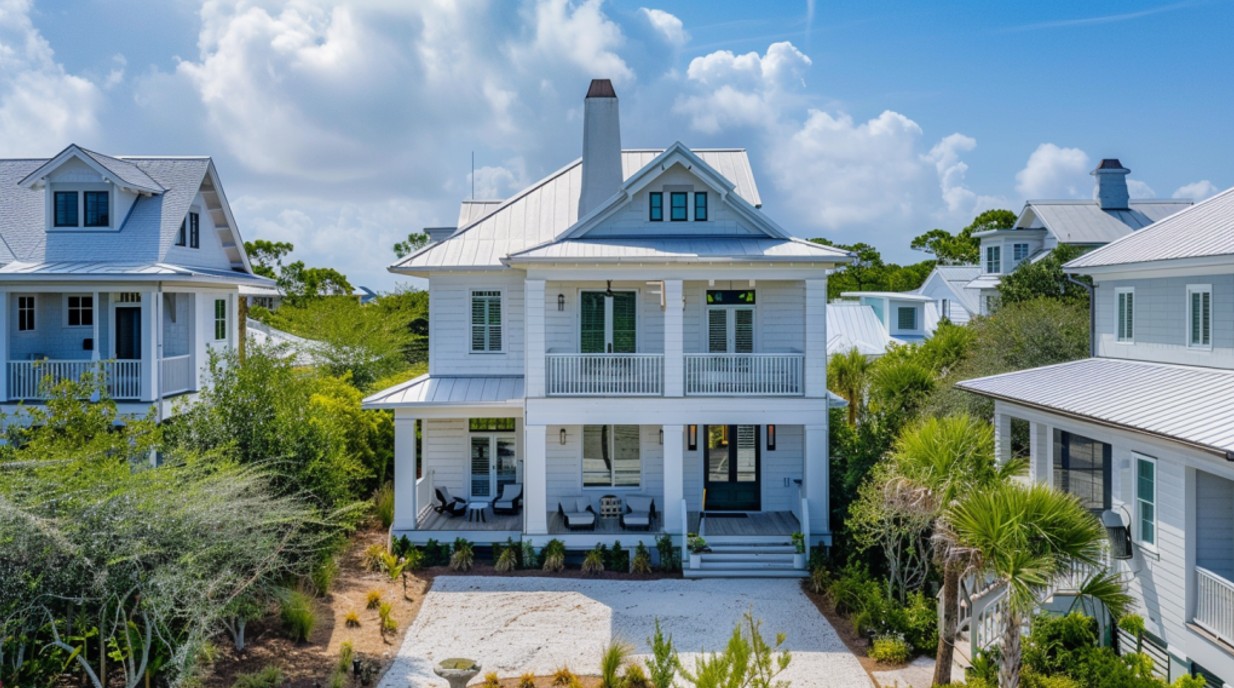
Purchasing a home along Florida’s Scenic Highway 30A is a dream for many, offering pristine beaches, vibrant communities, and a relaxed coastal lifestyle. However, navigating this unique real estate market requires careful planning and informed decision-making. This guide outlines essential best practices to help you make a successful purchase in the 30A area.
For expert guidance in this region, consider consulting with Alys Beach real estate agents The Simpson Group. As part of Christie’s International Real Estate Emerald Coast, The Simpson Group specializes in helping clients achieve their dreams of owning coastal real estate along 30A. Their deep local knowledge and personalized service make them a trusted resource for buyers and sellers alike.
Understanding the 30A Real Estate Market
The 30A corridor has limited inventory and high demand, making it competitive. Each community offers a unique vibe, from Seaside’s artistic feel to Alys Beach’s luxury. Understanding these nuances helps find areas matching your preferences and investment goals. The market’s seasonal nature affects home values and listings: activity peaks during peak travel months with more buyers, while off-season offers more negotiating room but fewer options. Being flexible and monitoring market trends in 30A, including recent sales, days on market, and prices, can help in buying a second home, primary residence, or rental property.
Financial Preparation and Financing Options
Before embarking on your home search, assess your financial readiness. This includes reviewing your credit score, determining your budget, and exploring financing options. Given the competitive nature of the 30A market, obtaining mortgage pre-approval can enhance your credibility as a buyer and expedite the purchase process.

It’s important to note that financing vacation homes can differ from financing a primary residence. Some lenders may require larger down payments or have stricter underwriting criteria for second homes and investment properties. Comparing loan products, interest rates, and requirements from both local and national lenders can yield better terms. Beyond the mortgage, factor in ongoing monthly costs, potential rental income (if you’ll be renting out your property), and reserves for maintenance or unexpected expenses. Consulting with a lender experienced in the 30A market can provide clarity on your purchasing power and help avoid surprises during escrow.
Choosing the Right Community
Each community along 30A has its own character and amenities. For instance, Seaside is known for its walkable town square and New Urbanism design, while Rosemary Beach offers European-inspired architecture and a vibrant downtown. Consider factors such as proximity to the beach, local amenities, and the community’s atmosphere to find a location that suits your lifestyle and investment goals. Other popular communities, such as WaterColor, Grayton Beach, and Blue Mountain Beach, each present distinct benefits, ranging from family-friendly parks and pools to quiet, nature-oriented settings. If you’re planning to generate rental income, research which areas have the strongest demand for vacation rentals, as rental restrictions can vary widely by community and HOA. Speak with local residents and visit the area at different times of year to gain firsthand insight into the rhythm and atmosphere of each neighborhood. Proximity to restaurants, entertainment options, and scenic spots like state parks or dune lakes can also significantly influence both your experience and your property’s long-term value.
Considering Additional Ownership Costs
Beyond the purchase price, expect extra costs in 30A homeownership. These include HOA fees, insurance, and property taxes, which may be higher for coastal homes due to flood risks. HOAs might also require assessments for amenities, landscaping, or infrastructure. Review HOA rules and fees carefully, especially if renting. Also consider utility costs, hurricane mitigation, and routine upkeep, such as landscaping and pest control. Factoring these expenses helps ensure a smooth, sustainable transition to owning a home in 30A.
Working with Local Professionals
Engaging local professionals can greatly assist your property purchase in 30A. A knowledgeable real estate agent offers market insights, negotiates, and guides you through the complexities of purchasing. Consulting local attorneys and inspectors ensures legal and structural issues are addressed. Choosing an agent specializing in 30A provides local expertise, including off-market opportunities and contractor connections. A local attorney helps navigate Florida law, contracts, and zoning. A reputable coastal home inspector is crucial for environmental challenges like salt air, humidity, and storms. Working with a skilled team simplifies the process and safeguards your investment.
Conclusion
Buying a home in 30A, Florida, is a significant investment offering lifestyle benefits and potential financial returns. Understanding the market, preparing financially, choosing the right community, considering all costs, and working with local experts help you make informed decisions and enjoy a smooth purchase. Explore each 30A community’s diversity—whether seeking a vibrant social scene, quiet refuge, or rental income. Leverage local expertise and goals to find a property that fits your coastal living vision. When ready, connect with professionals and prepare to turn your dream of 30A ownership into reality.