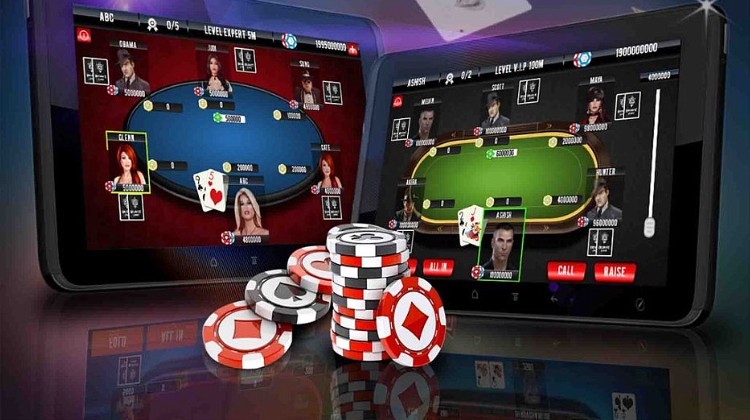
Online poker slot 777 has become one of the most popular forms of digital gambling, attracting both casual players and professional enthusiasts. Unlike traditional casino games that rely primarily on luck, poker requires skill, strategy, and psychological insight. Understanding the unique dynamics of online poker, along with its challenges, can improve a player’s experience and performance.
The Appeal of Online Poker
Online poker offers several advantages over traditional poker rooms:
- Accessibility: Players can participate from anywhere, anytime, using a computer or mobile device.
- Variety of Games: Platforms offer multiple variations, including Texas Hold’em, Omaha, Seven-Card Stud, and more.
- Flexible Stakes: Players can choose from micro-stakes to high-stakes games, accommodating different budgets.
- Faster Gameplay: Digital interfaces automate shuffling, dealing, and betting, allowing more hands per hour.
These features make online poker appealing to players of all experience levels.
Key Strategies for Online Poker
Successful online poker requires a combination of strategic thinking, observation, and adaptability:
- Understanding Odds and Probabilities: Knowledge of hand rankings, pot odds, and expected value is crucial for informed decision-making.
- Position Awareness: Playing in later positions provides more information about opponents’ actions, improving strategic advantage.
- Bluffing and Psychological Play: Online players must interpret betting patterns, timing, and behavioral cues to bluff effectively.
- Bankroll Management: Allocating funds wisely prevents catastrophic losses and ensures sustainable play over time.
- Adapting to Opponents: Each opponent has a unique style. Observing patterns and adjusting tactics is key to success.
While online poker may appear faster and less personal than live games, these strategic principles remain essential.
Challenges of Online Poker
Despite its popularity, online poker presents specific challenges:
- Limited Physical Cues: Players cannot read body language or facial expressions, relying instead on betting patterns and timing tells.
- Distractions: Playing from home or mobile devices may introduce interruptions that affect concentration.
- Multitabling Pressure: Many players attempt multiple tables simultaneously, which can lead to errors and fatigue.
- Variance and Luck: Even skilled players experience swings in outcomes due to luck, which requires emotional resilience.
Awareness of these challenges helps players maintain discipline and manage expectations.
Responsible Play in Online Poker
Responsible gambling is critical, even in a skill-based game like poker:
- Set Time Limits: Avoid excessive sessions to reduce fatigue and maintain decision quality.
- Manage Stakes: Play within your budget and avoid chasing losses.
- Take Breaks: Pausing between hands or sessions helps maintain focus and emotional balance.
- Monitor Emotional State: Tilt, or emotional reactions to losses, can impair judgment and lead to poor decisions.
Responsible practices enhance both enjoyment and long-term success.
Technological Tools for Online Poker
Online poker platforms incorporate technology to enhance gameplay:
- HUDs (Heads-Up Displays): Provide statistical information about opponents, useful for strategic analysis.
- Hand History Tools: Track previous games and help players refine strategies.
- Security Protocols: Encryption and fraud detection protect financial transactions and player data.
While these tools improve performance and security, ethical considerations dictate fair play and compliance with platform rules.
Conclusion
Online poker slot is a dynamic and strategic form of gambling that combines skill, psychology, and adaptability. While the digital environment introduces challenges such as limited physical cues and distractions, it also offers accessibility, variety, and faster gameplay. By applying strategic principles, practicing responsible gambling, and leveraging technological tools, players can enjoy an engaging, challenging, and rewarding online poker experience.